Brochures sell outdoor rental LED with three numbers: a nit count, an IP rating, and a pitch. The wall that faces noon sun and a Saturday night headliner asks for a longer list. Miss one line — wind on the hang drawing, average watts on the generator, or which screen is IMAG versus which is a delay tower — and the failure shows up as washed-out content, a tripped breaker, or a rigger who will not fly the wall.
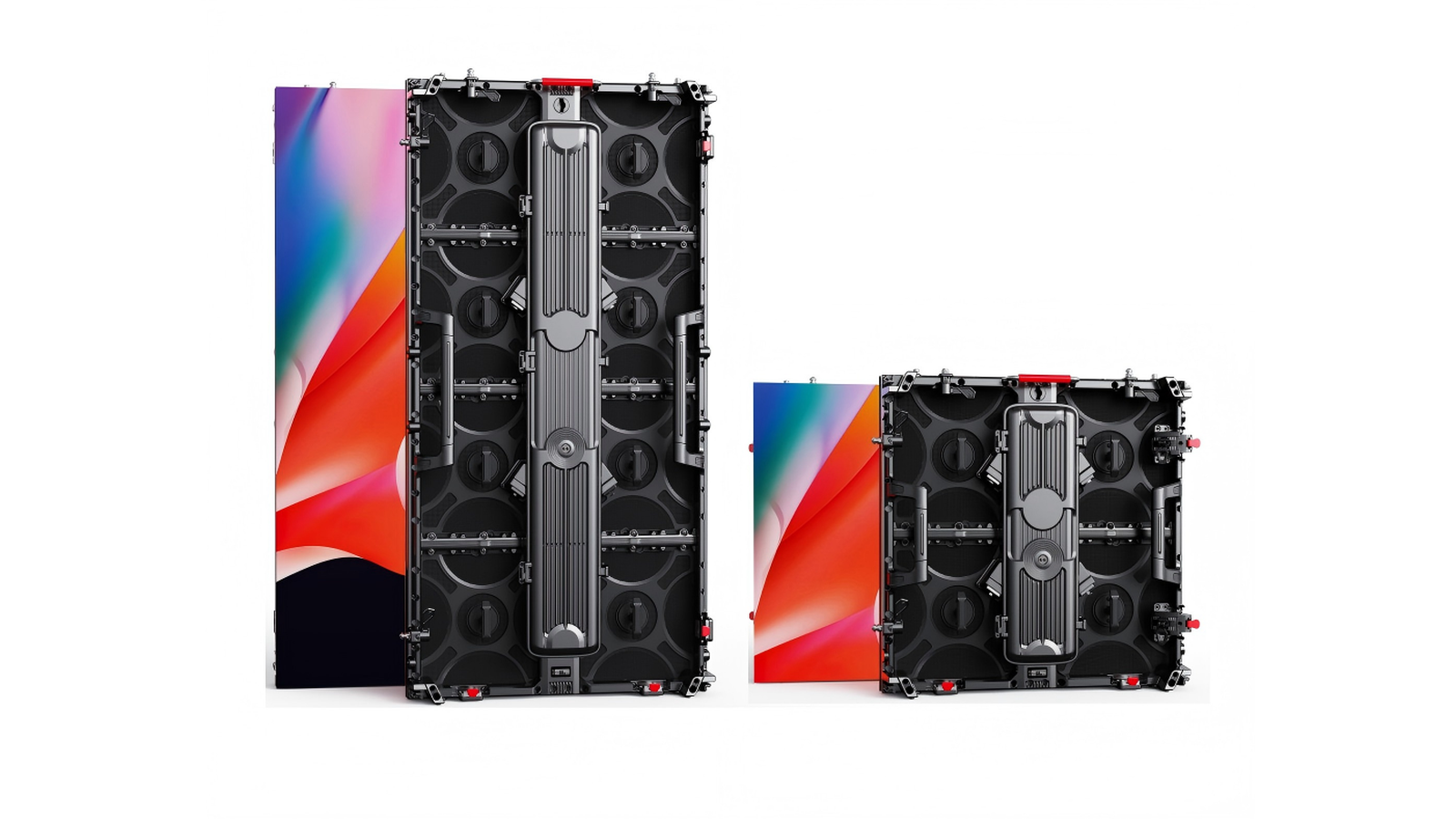
This is a planning checklist for rental buyers and touring houses stocking outdoor cabinets. SFxDisplay is a factory / OEM. We build rental series cabinets (SFR-S soft lock, SFR-H hard lock) in indoor and outdoor IP grades. The notes below are not a quote, not a stamped wind calculation, and not a festival case study.
Start with the job of each screen
One festival site is several LED jobs. Spec them separately.
| Role | What the audience / camera needs | Planning bias |
|---|---|---|
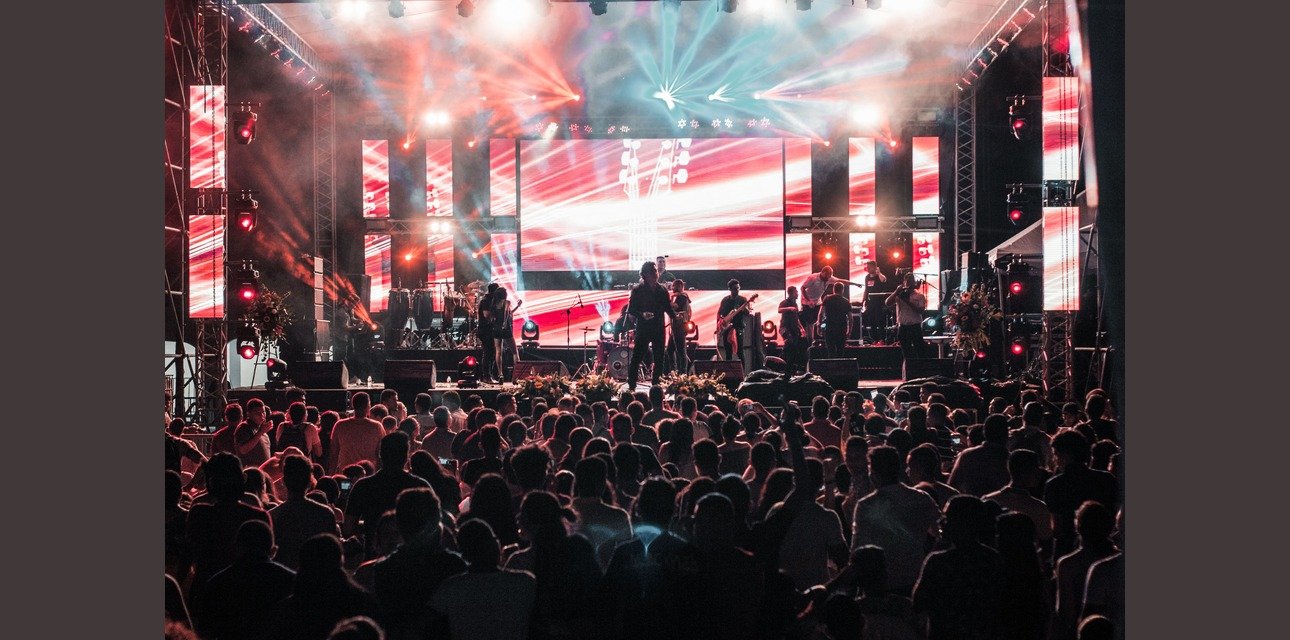
| Main stage backdrop | Daylight readable from deep field; often large rectangle | Higher nits, coarser pitch OK if front row is far, solid IP, wind on the hang |
| IMAG / side screens | Faces and motion for closer viewers + cameras | Finer pitch band, high refresh / scan behaviour that cameras tolerate |
| Delay / FOH towers | Reach the back of the field; often high on scaffold | Weight and wind matter as much as picture |
| Scenic / mesh pieces | Look-through, lighting through, lower wind sail | Different product family — do not pretend a solid cabinet is mesh |
If the PO says only “outdoor P3.9,” you have not finished the brief. Say which wall does which job.
Brightness: daylight nits, then dim for night
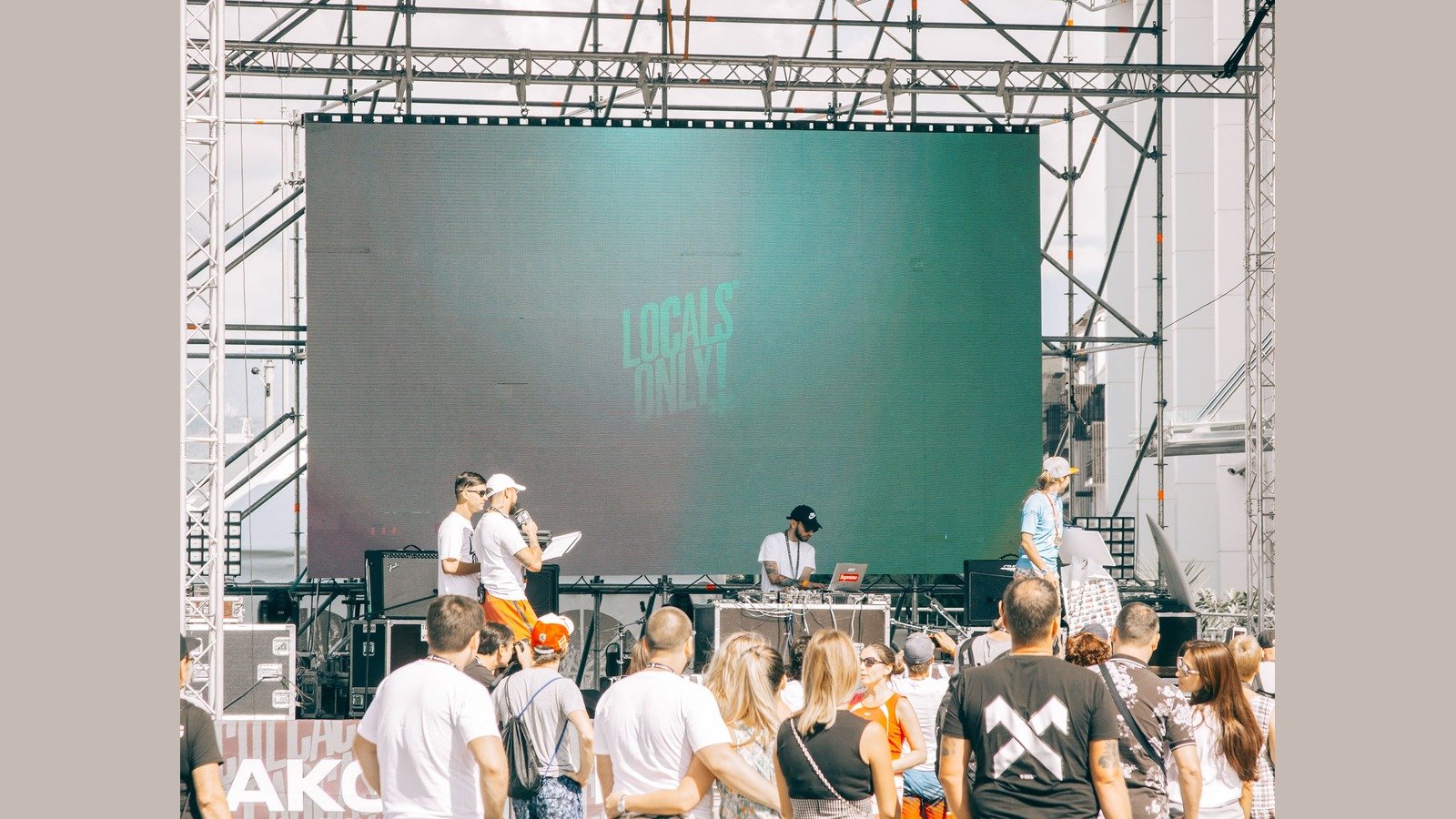
Outdoor brightness is not one number for the whole weekend.
Planning bands used across 2026 outdoor rental guides (planning only — verify on the datasheet and with a light meter on site):
| Ambient | Planning brightness |
|---|---|
| Direct mid-day sun on the face | Often ~5,000-5,500+ nits class for main walls |
| Semi-shaded / side stage | Often ~4,500-5,000 nits class |
| Evening / night sets | Often ~1,000-2,000 nits — dim for eyes and generator |
Ask for calibrated / sustained brightness language, not only a peak lab spike. Multi-day festivals heat cabinets; thermal dimming is real. Plan automatic or scheduled dimming from afternoon into the headliner set.
Indoor church and corporate nits are a different conversation. Do not stock a 1,000-nit indoor wall for an open field and hope for rain.
IP rating: front and rear are two lines
IP65 on the front is the usual professional outdoor baseline: dust-tight and protected against low-pressure water jets. Rain, dust, and hose-down at strike all hit the face first.
Rear IP is a separate line. Many touring cabinets are IP65 front / IP54 rear. That can be acceptable when the rear is sheltered. Confirm both faces on the datasheet. Confirm outdoor-rated power and signal connectors, not only the module seal.
Coastal and long wet weekends push corrosion and connector choices. Ask what the series uses for seals and plating — do not invent a salt-mist claim from this blog.
Wind: the engineer owns the number
A solid LED wall is a sail. Wind force rises with the square of wind speed. Mesh and high-transparency scenic panels pass more air and often need less ballast — they are not the same SKU as a solid outdoor rental cabinet.
What belongs on the PO / hang thread:
- Hang vs ground-stack vs scaffold tower
- Max planned height and width
- Site wind assumptions the rigger will use
- Whether the series offers wind-brace attachment points (if your hang needs them)
- Cabinet mass from the datasheet — we will not invent kg/m2 here
Structure, ballast, and permit stamps are site / engineer work. Order panels after the hang path is named, not before. If hang load and building capacity are your main worry, keep that as a separate brief (weight and structure — not this outdoor picture checklist).
Pitch: main stage vs IMAG
Pitch still follows closest viewer and content — same logic as indoor walls, different distances.
Planning (not a quote):
- Main stage backdrop with the crowd tens of metres out: outdoor rental often lands in a P3.9-P5.9 class band in festival guides. Coarser pitch is not “worse” if nobody sits close.
- IMAG / close side fills: bias finer — often a P2.6-P3.9 planning band when cameras and nearer viewers matter.
- Delay towers deep in the field: coarser pitch can be enough; weight and wind may dominate the choice.
For how P2.6 / P2.9 / P3.91 trade off as rental stock SKUs (not festival geometry), see P2.6 vs P2.9 vs P3.91. Match pitch to the role, then pick cabinet footprint (500×500 vs 500×1000) for build speed — that geometry post is a sister decision, not a substitute for nits and IP.
Cameras: refresh is necessary, not sufficient
Festival walls are filmed. Smartphones and broadcast cameras punish bad drive behaviour.
- Put >=3,840 Hz (and the scan / IC behaviour your cameras tolerate) on the brief when IMAG or livestream matters.
- Refresh alone does not erase moire — that is an optical grid problem. See moire and refresh and 3840Hz vs 7680Hz.
Ask for a camera test clip on the same shutter family you will use on site. Spec-sheet Hz without a test is incomplete.
Power: size the generator from average watts
Outdoor sites often run on generators. Peak watts and average watts answer different questions.
- Peak / full-white sizes breakers, feeder, and worst-case headroom.
- Average under real content sizes the fuel bill and the realistic generator kVA.
Cross-link: LED wall peak vs average power. Planning pattern many outdoor guides use: area x average W/m2 from the datasheet, then add overhead (guides often float ~20% — confirm with your electrician). Do not daisy-chain endless cabinets on one feeder “because the brochure said outdoor.” Ask the series for the max cabinets per power run.
Evening dimming helps fuel and eyes. Full-white noon demos are not the show.
Deploy speed: locks, footprint, cases
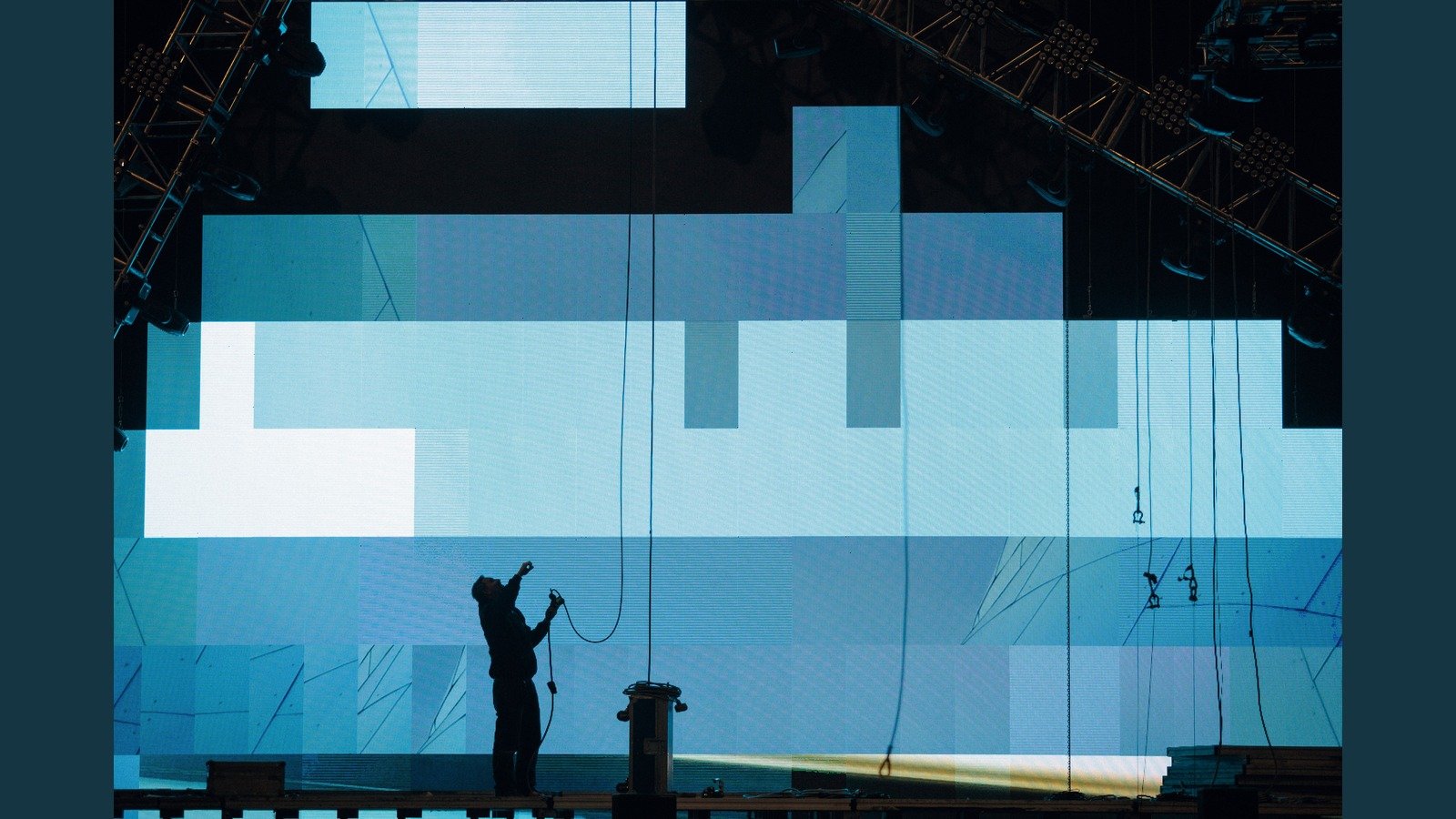
Festival load-in windows are short. Hardware that looks identical on a PDF can differ by an hour on the field.
Checklist items:
- Soft vs hard lock for the touring rigidity you need — soft vs hard connection
- 500×500 vs 500×1000 for rectangle speed vs irregular trim (same series when mixing)
- Flight-case / dolly plan that matches how many cabinets you hang per hour
- Same-bin spare modules for the outdoor pitch you actually fly
- Front and/or rear service access matching how the wall hangs on truss
Speed is not a slogan. It is cabinet count, lock type, and a crew that has built this series before.
Copy-paste brief for the factory / rental house
Send this in one email. Short beats a 4K wishlist.
- Event dates, venue, outdoor / covered / coastal
- Each screen role: main / IMAG / delay / scenic
- Closest and farthest viewers per screen (approx)
- Daylight on the face? (yes / partial / night-only)
- Target brightness band and dimming plan
- Front IP and rear IP required
- Hang / stack / scaffold; max W x H; wind path named for the engineer
- Cameras on the wall? (yes/no, approx shutter / livestream)
- Generator or shore power; ask for average and peak W/m2 on the datasheet
- Preferred footprint (500×500 / 500×1000 / mix) and lock type
- Spare module count and service access
We return a pitch band, an outdoor-capable series option, and cabinet counts on a real grid. Steel, ballast, permits, and generator hire stay on site.
FAQ
How many nits for an outdoor festival LED wall? Plan by ambient: mid-day main walls often need a 5,000-5,500+ nit class; shaded sides may sit near 4,500-5,000; night sets often dim to ~1,000-2,000. Verify sustained output on the datasheet.
Is IP65 enough? IP65 front is the usual baseline. Confirm rear IP separately and use outdoor-rated connectors.
Who calculates wind load? A qualified rigger / structural engineer for that site. The factory supplies cabinet mass and brace points; the site owns the stamp.
What pitch for the main stage? Often a coarser outdoor band when the crowd is far (guides commonly cite P3.9-P5.9 class). IMAG closer in usually wants finer. Measure viewers; do not buy pitch from a stage photo.
How do I size the generator? Use average W/m2 x area from the datasheet, plus overhead your electrician accepts. Peak watts size the worst-case feed — see the peak vs average post.
Spec the weather and the hang, then the pretty pitch
Write role, daylight, IP front/rear, wind path, camera yes/no, and power path on one line. Then ask for a pitch band and an outdoor rental cabinet that matches.
Send the brief to SFxDisplay from the rental series page if you already know hang vs stack. Buy the wall the field and the cameras ask for — not the single biggest nit number on the brochure.