Indoor and outdoor LED walls are not the same cabinet with a different brightness slider. Outdoor panels are built for sun, rain, dust, and temperature swing. Indoor panels are built to look good up close in a room. If you hang an indoor wall outside, even under a tent, you are gambling with water, condensation, and a picture that washes out at noon.
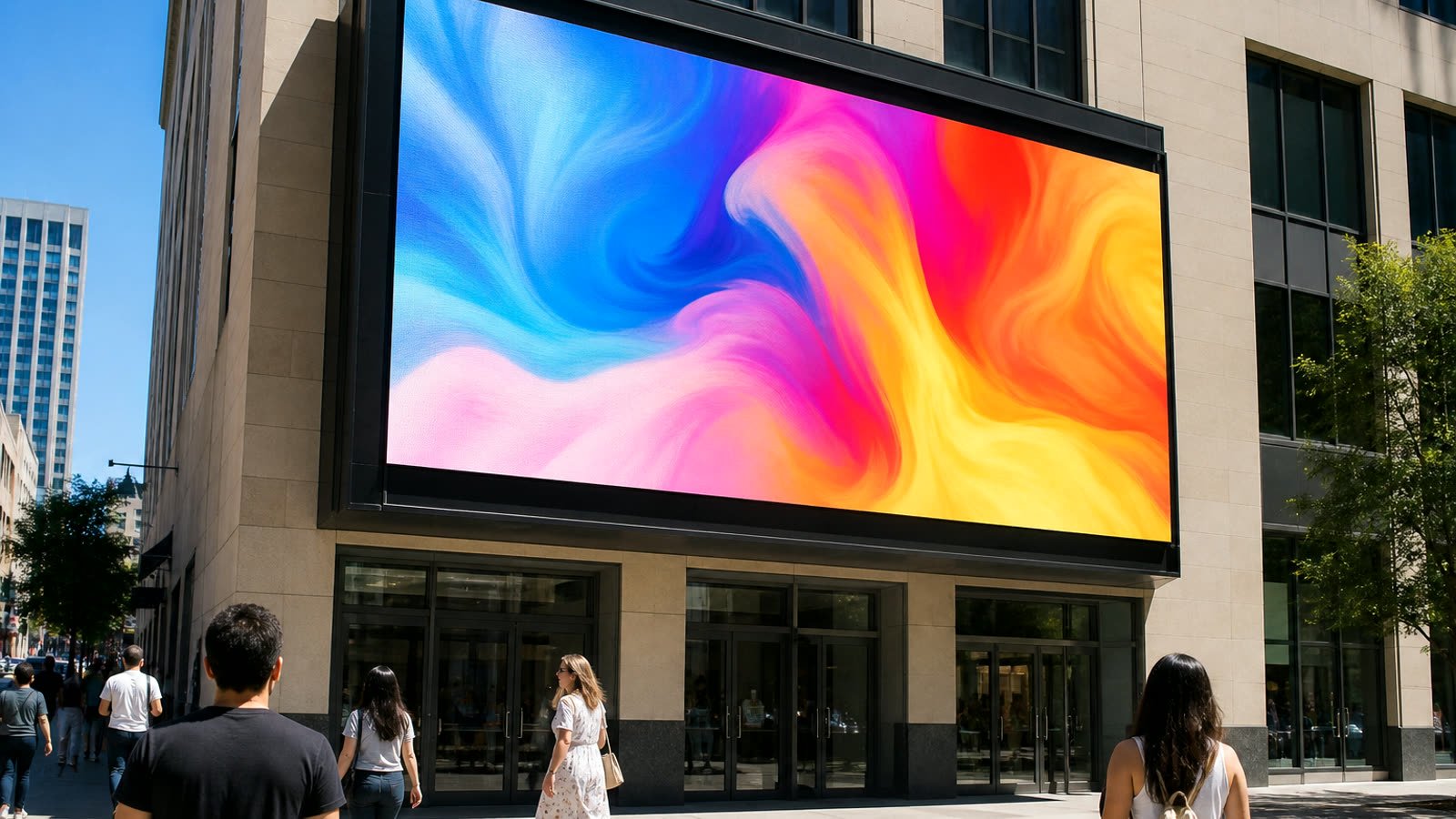
The spec split that matters is nits (how bright the face is), IP rating (how well the cabinet keeps weather out), pitch (how close people stand), and thermal design. SFxDisplay builds indoor and outdoor rental, fixed mounting, and trailer screens. Pick the family first, before color and processor.
What indoor and outdoor mean on a spec sheet
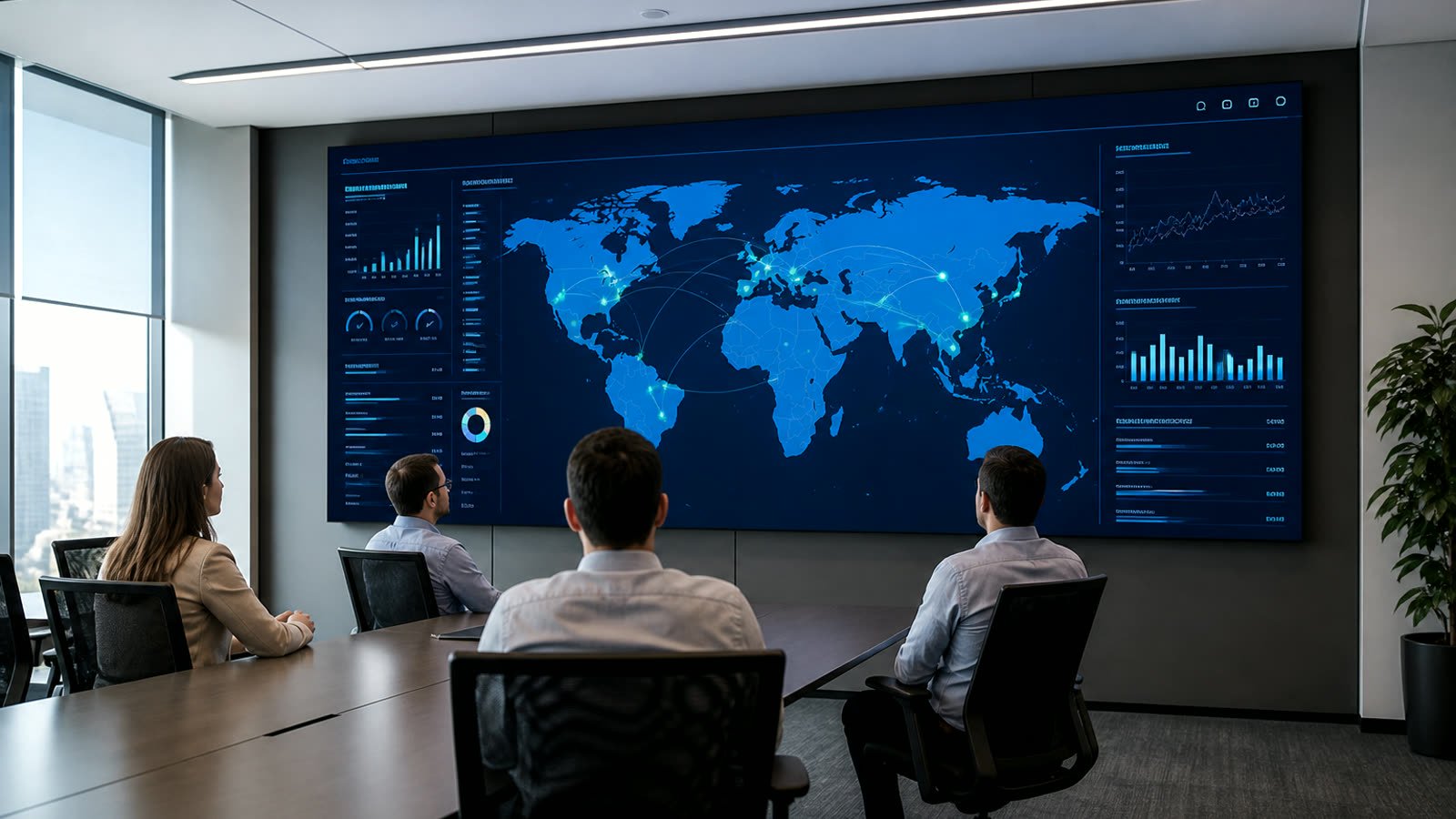
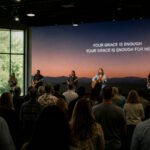
Indoor cabinets use finer pitch, lower brightness, and light weather protection. Fronts are often IP20 to IP43. Rear openings are common. Power and heat are sized for a climate-controlled room. Typical brightness is about 800 to 1,500 nits. That is plenty for a sanctuary, ballroom, or black-box stage. It is not enough for direct sun.
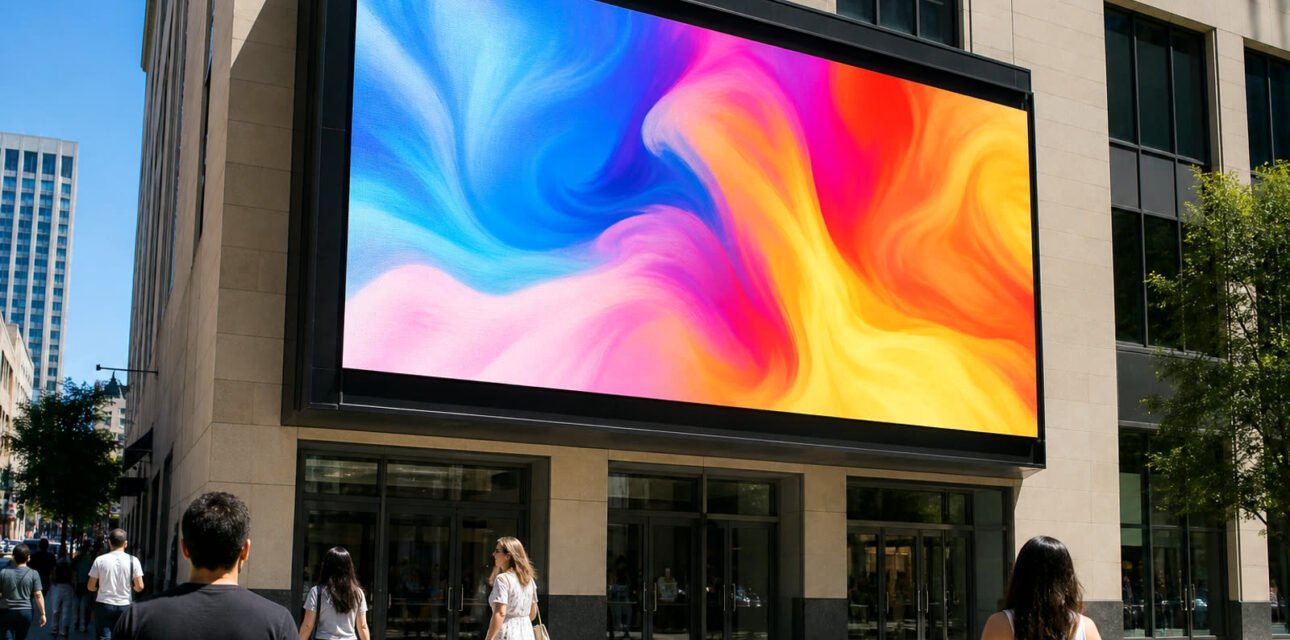
Outdoor cabinets use coarser pitch on most event and billboard work, much higher brightness, sealed modules, and gaskets. Fronts are commonly IP65. Confirm the rear rating as well. Brightness is typically 4,500 to 6,500 nits, sometimes higher for harsh sun. Drivers, power supplies, and heat paths are built for a cabinet that sits in weather.
The labels are not marketing. An indoor P2.6 module can share a similar pixel layout with an outdoor P2.6 module and still be a different product. The mask, glue, power supply, coating, and rear door differ. If a quote only says "P3.91" with no indoor/outdoor flag, send it back.
Transparent LED follows the same split. Indoor window products and outdoor glass-media products are not interchangeable. There is not a dedicated transparent product URL yet. Use the homepage or product listing and ask for the current indoor or outdoor options.
Brightness: nits in a room vs nits in daylight
Nits (cd/m²) measure how much light the screen surface sends toward the viewer. Projectors are sold in lumens. LED walls are not. If you are converting a sanctuary from projection, read nits vs lumens. Ask for nits, then match them to ambient light.
Indoor, 800 to 1,500 nits. A dark theatre can look harsh at the top of that range. A lobby with glass needs the upper end. You should still have dimming headroom. Running an indoor wall at 100 percent all day ages diodes faster and can crush grayscale on camera.
Outdoor, 4,500 to 6,500+ nits. Overcast days can look fine at the low end. Direct sun on the face needs the high end and a cabinet that can dump heat. Nighttime outdoor walls must dim. A 6,000 nit wall at full blast after dark is a nuisance, and a safety issue near drivers.
Nits are not a substitute for IP rating. A bright indoor cabinet is still an indoor cabinet.
IP65, and what the number does not cover
IP stands for Ingress Protection. The first digit is solids (dust). The second is liquids. IP65 means dust-tight and protected against water jets from any direction on the rated face.
What buyers get wrong:
- IP65 on the front is not IP65 on the whole system. Check the rear, the power inlet, and the data plugs. A touring outdoor cabinet should keep weather out with the doors closed and cables in their glands.
- IP65 is not underwater. Do not submerge cabinets or leave them in standing water.
- IP65 is not a UV or temperature rating. Sun still heats the face. Ask for the operating temperature range, and how the cabinet sheds heat.
- A tent is not an IP rating. Fabric roofs leak, blow rain sideways, and trap humidity overnight. Condensation on a cold indoor module is a classic failure after an outdoor show.
If your market needs CE or RoHS declarations, or any extra test report, request the documents for the exact cabinet. SFxDisplay publishes RoHS and CE on some spec tables and runs a 72-hour burn-in on every batch. Those are not a substitute for UL, ENERGY STAR, or ISO unless the matching report is supplied.
Do not take indoor cabinets outside
The request is always the same. The indoor wall is already on the truck. The daytime set is "just under a tent." The forecast is "only a little rain."
Indoor modules are not sealed for that. Water finds the gaps around lamps, ribbon cables, and power supplies. Overnight, temperature drop turns humid air into condensation on the PCB. Corrosion and dead pixels often show up later, back in the shop, which makes warranty conversations ugly.
Even if it does not rain, daylight will wash an 800 to 1,200 nit indoor face. You can crank brightness to 100 percent and still lose the image against the sky. That is not a processor problem. It is the wrong product.
If a job is outdoors, book outdoor rental cabinets or a trailer LED screen. A trailer avoids ground stacking in wet grass and keeps the electronics in a designed enclosure. If the site is a building, use outdoor fixed mounting. Indoor stock belongs in rooms. Outdoor stock belongs in weather. Mixed inventory is fine. Mixed use of the same cabinet is not.
Daylight festivals and other outdoor jobs
A large outdoor screen for a daytime festival has to clear three tests: the furthest audience still reads the image, the face holds up in sun, and the hardware survives the weekend.
Pitch follows viewing distance, same as indoor. Festival crowds are often tens of meters back, so outdoor P3.91 (and sometimes coarser) is normal. Fine indoor pitch is wasted at that throw and is usually the wrong IP class. See pixel pitch by viewing distance.
If the stage faces the sun, budget 5,000 nits and up, then dim after sunset. A mesh or curtain that looks open at night can disappear at noon. Confirm whether you need a solid outdoor cabinet or a high-transparency outdoor product. They are not the same quote.
Outdoor cabinets draw more watts per square meter at the brightness you will actually use. Ground support needs ballast for wind. Fly points need a rating for cabinet weight plus wind load. SFxDisplay can build the wall. A local rigger and electrician still have to sign off the site.
For repeating outdoor advertising, a trailer is often cleaner than a ground-stacked wall. Ask for the country standards the trailer must meet.
Indoor vs outdoor at a glance
| Spec | Indoor LED wall | Outdoor LED wall |
|---|---|---|
| Typical brightness | 800-1,500 nits | 4,500-6,500+ nits |
| Weather (typical) | IP20-IP43 | IP65 front, confirm rear |
| Common pitches (SFx rental) | P1.5, P1.9, P2.6, P2.9 | P3.91 (finer outdoor on request) |
| Closest viewers | Meters, often under 10 m | Tens of meters for stages and roads |
| Thermal / power | Room HVAC, lower draw | Designed for sun load, higher draw |
| Where it belongs | Rooms, fully covered stages | Festivals, facades, trailers, roadside |
| Wrong use | Direct sun, rain, overnight dew | Dark theatre at full nit level (dim it) |
Cabinet size still has to match the job. Rental outdoor often uses 500 x 500 mm or 500 x 1000 mm touring frames. Fixed outdoor uses heavier frames and steel that a structural engineer has reviewed. Do not hang touring cabinets as a 10-year facade without checking service method, coatings, and spare policy.
How to write the indoor/outdoor line on an RFQ
State indoor vs outdoor, daylight vs night, closest viewing distance, wall size, and mount type (flown, wall, ground, or trailer). If you already own indoor cabinets, do not ask us to weatherproof them with tape. Buy the outdoor product.
FAQ
Can I use indoor LED panels outside under a tent? No. A tent is not an IP65 cabinet. Rain, blown dust, and overnight condensation get into indoor modules. The picture will also look weak in daylight because indoor nits are too low. Hire or buy outdoor cabinets, or use a trailer.
Is IP65 enough for a coastal or desert site? IP65 addresses water jets and dust on the rated faces. Salt air and fine sand are extra problems. Ask about coatings, filters, and a service plan. Request the operating temperature range.
How many nits for a daytime festival? Plan on outdoor 4,500 to 6,500 nits, then dim at night. If the screen faces the sun, stay at the high end. Indoor 1,000 nit stock will not compete with daylight.
Do I need outdoor pitch if the festival is at night only? You still need outdoor weather protection if the wall can see dew, rain, or dust. Pitch can stay coarser because the crowd is far away. Night-only does not turn an indoor cabinet into an outdoor one.
Indoor and outdoor both say P3.91. Can I mix them on one wall? Do not. Brightness, mask, calibration, and sealing differ. Keep indoor inventory and outdoor inventory as separate sets, each with same-bin spares.
Talk to SFxDisplay
Tell us indoor or outdoor, daytime or night, and how the wall is mounted (flown, wall, ground, or trailer). We will spec nits, IP, and pitch against that site, not against a generic catalog row.